Newsletter-6-21-STAP
Category Archives: Uncategorized
Enjoy the Sunshine!
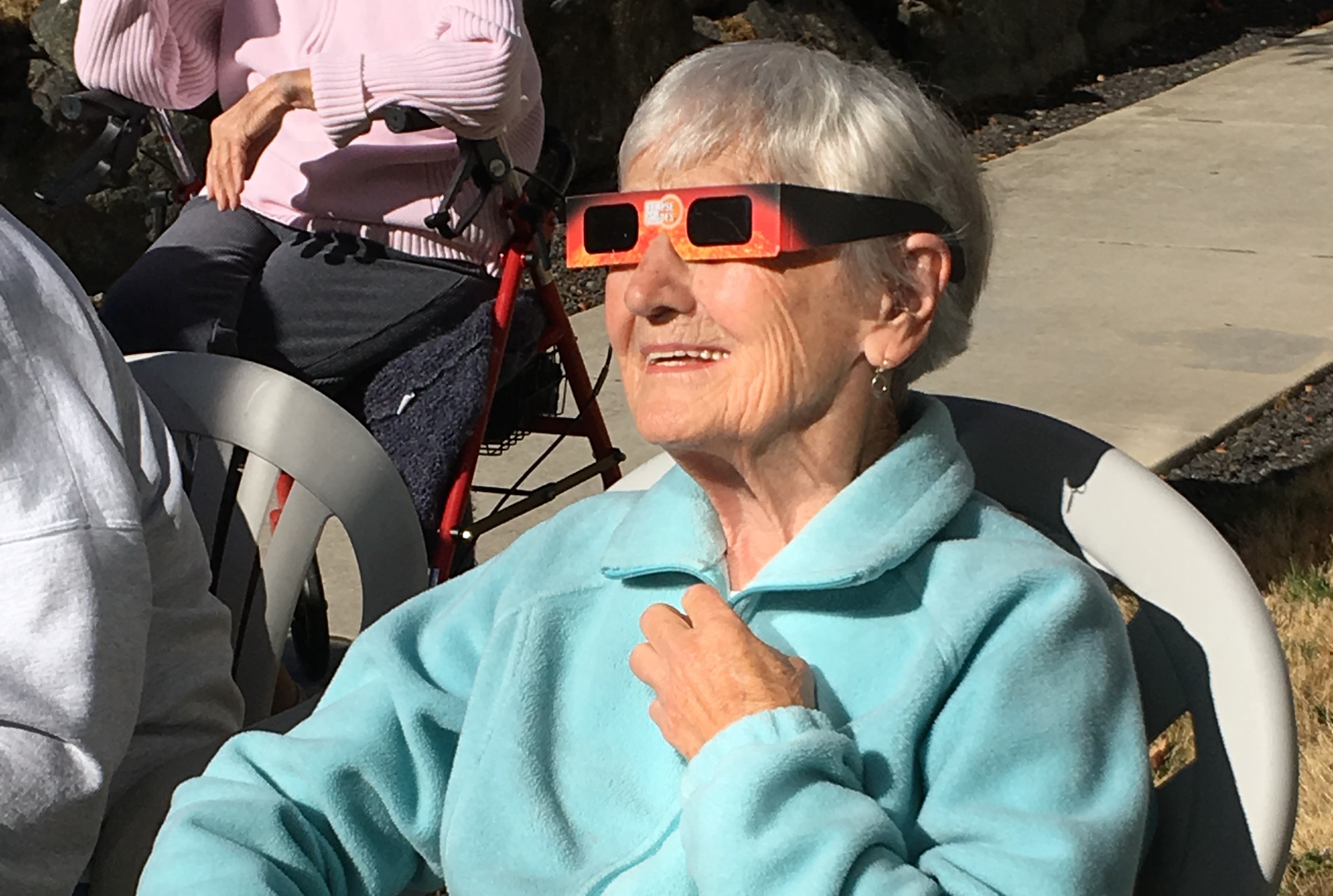
Spring is slowly coming to a close and the start of Summer is nearing. The days will be getting warmer, and hopefully we will get to see more of the Sun peeking out from the clouds!
Getting some sunshine and vitamin D is important, especially for those in assisted living. But with it being rainy or overcast in this region during much of the year, it is important to be able get out and get some rays when you can.
Continue reading
Keeping your mind sharp, the fun way!
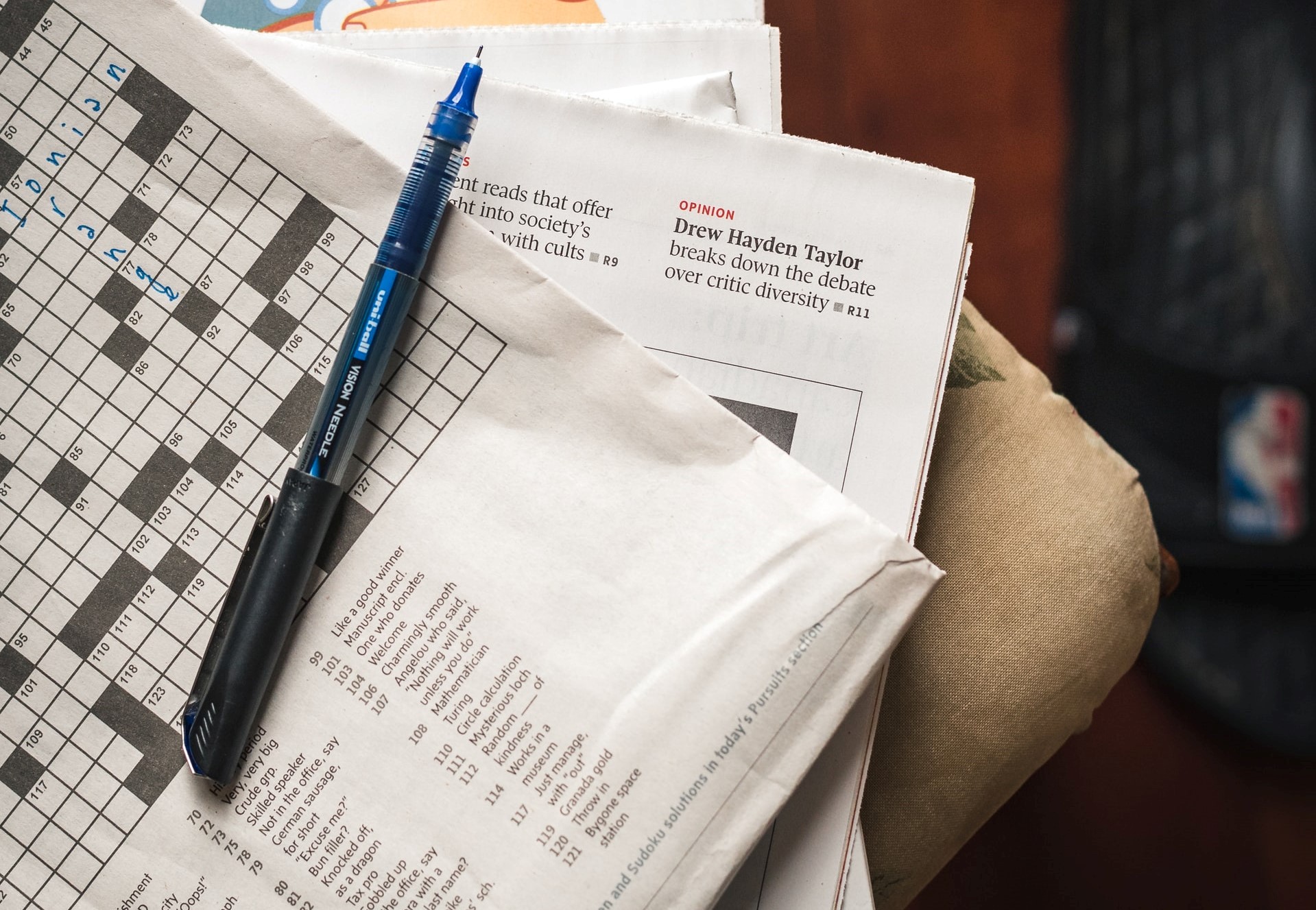
Taking care of our bodies and staying healthy as we age is a must, but that doesn’t just mean our physical health. Keeping your wits sharp and your mind strong are just as important as keeping our bodies limber and sturdy.
To keep our bodies strong, even in our later years, we exercise them. And not even necessarily full workout routines, but just little things work well too. Walks in the park, yoga and stretching, and more, are nice simple ways to keep ourselves going without much stress or hassle.
It only makes sense, that the way to keep our mental acuity strong is to keep using it by exercising it. By exercising the brain we don’t mean taking difficult math quizzes, read long non-fiction books, or learn new languages (although there’s nothing stopping you if you want to); you just need to keep stimulating your brain. Have some fun! Any number of brain games are great for helping out your mental health. Crosswords, Chess, jigsaw puzzles, Sudoku, or any other game you enjoy that causes you to think a little extra. Engaging in a lively debate such as what is better milk chocolate or dark chocolate, or simple have a conversation with someone, helps keep the brain active. And yes, physical activities is important for good brain function as exercises increases the flow of blood to the brain.
Having fun is a luxury we can afford ourselves in our later years, but it’s even better when we are in good enough health to enjoy that fun. So take care of yourself, keep your bodies strong and your minds sharp!

Snacking Seniors
Who doesn’t love snacks? A quick bite here, a nibble there, a crunch crunch. There are two schools of thought behind snacking; to snack, or not to snack.
Not to Snack:
A rather straightforward argument, those calories do add up after all. Plus all the sugars, oils, and processed ingredients most snacks have just aren’t all that great for us in larger quantities. There’s also the issue of filling up on nothing but junk food, leaving no room or appetite for proper meals, which is not ideal to maintain proper health and body functions.
To Snack:
On the other hand, snacks can be quite beneficial throughout the day. A small snack between meals can curb that gnawing feeling in your stomach, provide a small kick of energy, and have even shown to help keep blood pressure at a more stable level. The ‘catch’ to all this however, is that snacks should really be a small and healthy option, things like baby carrots, fresh fruit, and yogurt. Unfortunately that means all those salty crunchy chips or rich smooth chocolates are off the table, at least for primary snacking, every now and then doesn’t hurt. Snacking also plays an important role for the older adults who tend to have a lower overall appetite, as it helps them get nutrients they may otherwise skip out on.
Snacking has its place, when done properly and healthily, so grab your celery sticks and a (small) dab of peanut-butter and munch on!

About Power of Attorney
Life is full of big, impactful decisions, and there is a chance that one day, whether because of medical malady or the simple aging of the body, you will not be able to suitably handle them for yourself.
This is where a Power of Attorney (POA) comes into play.
What is a Power of Attorney?
The POA is a legal document that grants another person the legal right to make decisions on your behalf. These come in all sorts of different forms: General, Durable, Limited, and Springing.
General: The standard type of POA, grants the agent authority to act in your stead on just about any decision, such as managing finances, estates, and so on. The general POA is terminated when you become incapacitated, in such cases as a coma or later stage dementia, for example.
Durable: A durable arrangement works much in the same way as a general one, but it is maintained should you become incapacitated.
Limited: Limited arrangements only apply to certain areas. For example, you could have an agent set up to have the authority to sell off a house/real estate on your behalf, but that is all they have the power for.
Springing: This type of POA only takes place when designated conditions are met, such as if in the case you become incapacitated.
It’s up to you which works best in your situation.
Who should hold your Power of Attorney?
The most important aspect of choosing someone to hold your POA, is someone you trust, and that has your best interests in mind plus they are willing and able to be the POA.
Typically, many seniors select family as their POA. And while generally this is a fine option, there is always the case where they may not be the best choice. Why? The relationship may be strained or if they just are not in the best position to take on that responsibility. Close friends, advisors, or even professional proxies are all valid options to hold your POA. It is a good idea to get in touch with an elder-law attorney (although not legally required) to help draft up proper articles and make sure everything is in the proper order so there is no sticky legal situations later.
The peace of mind that you will be taken care of when you no longer have the ability to do so yourself, that is what the POA is there for.
Read more:
https://www.aplaceformom.com/caregiver-resources/articles/power-of-attorney-guide
https://dailycaring.com/what-is-a-power-of-attorney-and-why-do-seniors-need-one/

When is it the right time for Memory Care?
It is never an easy question, but it is one that must be asked – when is it the correct time to entrust your loved ones into long term memory care?
There are many reason to entrust a loved one into a care or assisted living community. Ultimately the decision boils down to what level of care are you capable of providing. Even if at first you are comfortable and willing to provide that care, it can wear you down. Burnout can and does happens; it’s time to take positive action for placements BEFORE your own health is jeopardized. An assisted living community or a memory care community are two positive choices to ensure your love one is receiving the level of high-quality care they needs and deserve
Memory Care vs. Assisted Living, which one? Assisted Living supplies services such as meals, medication management, bathing, and other general day to day care. Most Assisted Living communities can even provide support for those with Alzheimer’s or other types of dementia. However, as memory impairment grows, there are two key behaviors that signal memory care may be a better options: a tendency to wander, without the ability to remember how to return home, or combative/hostile behaviors develop. Both of these types of behavior is an indication that a senior could be a danger, not only to others, but also themselves.
Frequently, Memory Care is required when your loved one is experiencing the more advance stages of Alzheimer’s, dementia, or other forms of memory problems.
It is always sad when you need to move a loved one from home to a care community, but when the time comes, it is a necessity. Knowing your love one is in a safe environment and receiving good quality care affords peace of mind that cannot be understated.
Keeping Our Brain & Body Fit at St. Andrew’s Place Assisted Living
When you walk through our doors you will not see the smiling faces that once greeted you or the sound of walkers in the hall. You will hear an eerie silence. However, as our residents are cozy in their apartments, and restricted from gatherings, things are starting to feel a little easier as each day goes by. One way St. Andrew’s is accomplishing this is keeping our brains and body fit.
Routine is vital to our residents.
One tiny twist in the wrong direction can offset their whole day. By keeping meal times at regular times, medication pass, and waking up residents at requested times helps reduce the risk of boredom and depression in our residents. Thus sticking to the same routine has given the residence a sense of normalcy.
Keeping our residents mobile during this time is crucial as well.
Being inactive has a toll on your body and can restrict flexibility and movement. One way we have implemented mobility at St. Andrew’s is in-home exercise routines to keep them active and healthy. Each resident is given a sheet that has several different movements that could be done safely in a chair. These sheets are changed out regular to incorporate new exercises.
Getting fresh air and Vitamin D is also important to our residents.
Being isolated and cooped up for long periods of time can cause anxiety and depression. During this time several ventures have been created to get the residents outdoors to enjoy the fresh air and sunshine. Such as an Easter Hunt where they were given a piece of paper to find all things Easter items hidden outside. A Safari Hunt that will take place later next week. They will search for different Safari Animals that you would find in Africa around the outside of the building. In addition to the outdoor adventures, we recommend to the residents to go for a walks around the building while staying six feet apart. Spending time in nature will help boost our resident’s mental and physical heath and give them sense of balance in their life.
Staying close with family and friends is extremely important to our residents.
Not seeing someone for long periods of times and can cause severe depression and sense of loss. During this time we strongly urge our residents to use the phone or use video chat to talk to their family and friends. To help encourage the residents we have a sanitary phone station for those who do not have access to a phone or need help calling. Staying in touch with family and friends helps ease the residents and make them feel connected and content.
As governor Inslee extends our stay-at-home and things seem a little off-kilter, we have made an environment feel less like isolation and more like a home. By continuing to incorporate these practices we hope to make our residents continue to stay happy and healthy and keep their brains and bodies fit.
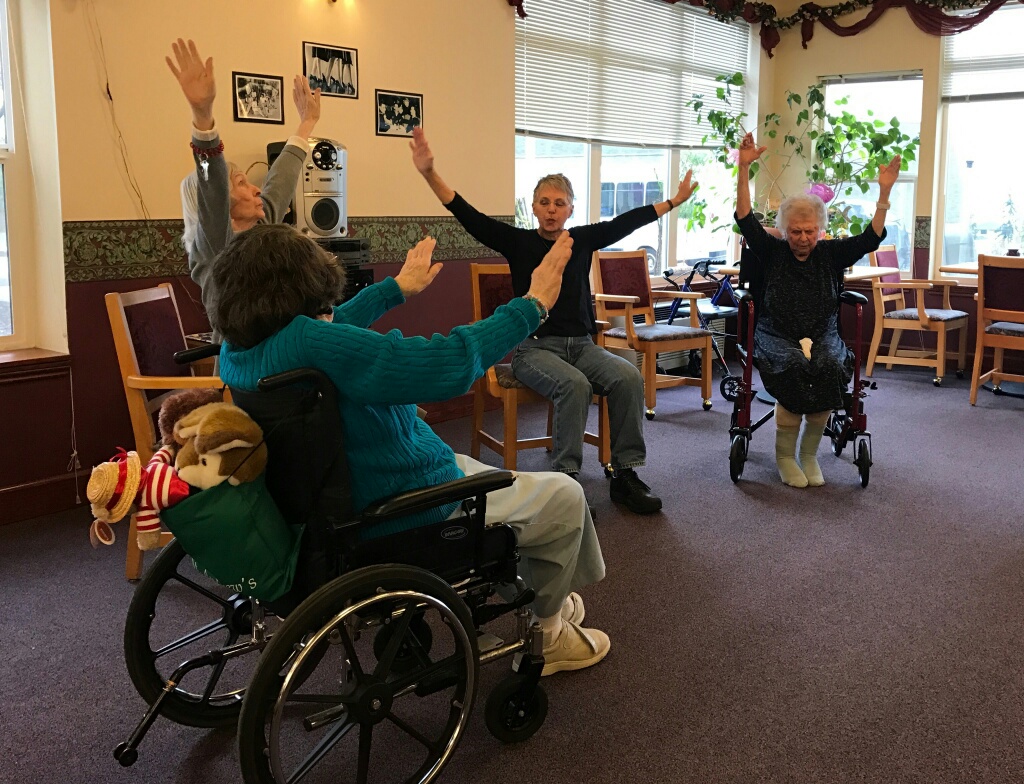
Seniors and Exercising
“If I knew I was going to live this long, I would have taken better care of myself!” – George Burns
As we age, bone mass and muscle mass begin to deteriorate, making it hard to do the daily activities we once enjoyed. However, this is a process that has the potential to be reversible. Called sarcopenia, this loss of muscle – which begins around age 50 – is linked with low bone-mineral densities, falls, fractures and insulin resistance, which may be an early sign of early Alzheimer’s disease. Exercise – at any age – can help to increase bone density and muscle mass. (O’Brien, 2017) .
Regular exercise can help prevent heart disease, diabetes, and also reduce pain associated with arthritis. (Winderlich, 2010)
Many believe that with age, exercise becomes impossible to do. However, there are many things that can be done at any age and fitness level.
The American College of Sports Medicine and the American Heart Association has published guidelines for physical activity in older adults. A summary of the recommendations includes:
Aerobic exercise: To promote and maintain health, older adults need moderate-intensity aerobic physical activity for a minimum of 30 minutes five days each week or vigorous intensity aerobic activity for a minimum of 20 minutes three days each week. (Richard Weil, 2015)
Exercise to Try: Swimming.
Researchers in Australia looked at about 1,700 men ages 70 and older, and compared the types of exercise the men did with their likelihood of experiencing a fall over a four-year period. There were nearly 2,700 falls during the study.
Men in the study who swam were 33 percent less likely to fall compared with all men in the study. In contrast, the men who did other forms of exercise — including golfing, doing calisthenics, working out on treadmills — were no less likely to fall, the researchers found. (Rowan, 2014)
Resistance exercise: To promote and maintain health and physical independence, older adults will benefit from performing activities that maintain or increase muscular strength and endurance for a minimum of two days each week. It is recommended that 8 to 10 exercises be performed on two or more nonconsecutive days per week using the major muscle groups. (Richard Weil, 2015)
Exercise to Try: Sit-backs
Sit-backs are a variation of sit-ups and will strengthen your core muscles, which will allow you greater mobility for everyday tasks such as getting out of bed or rising from chair. This exercise will be done on the floor using gravity and body weight for resistance.
- Begin sitting on the floor with knees bent and your arms crossed in front of your chest, as if you’re giving yourself a hug
- Slowly sit back as far as is comfortable (this doesn’t have to be a very big movement). The key is to remember to engage your core, and avoid rounding your back. It can be helpful to have someone sitting by your feet, to prevent your feet from lifting off the floor. Return to the starting position
- Repeat 10 times (Mercola, 2015)
Flexibility exercise: To maintain the flexibility necessary for regular physical activity and daily life, older adults should perform activities that maintain or increase flexibility at least two days each week for at least 10 minutes each day. (Richard Weil, 2015)
Exercise to Try: Double Hip Rotation
Used to stretch the outer muscles of hips and thighs.
Important: If you have had a hip replacement, do NOT perform double hip rotation exercises without permission from your surgeon.
- Lie on floor on your back, knees bent and feet flat on the floor.
- Keep shoulders on floor at all times.
- Keep knees bent together and gently lower legs to one side as far as possible without forcing them.
- Hold position for 10 to 30 seconds.
- Return legs to upright position. (O’Brien, Stretching Exercises for Seniors: Increase Freedom of Movement, n.d.)
Balance exercise: To reduce risk of injury from falls, older adults with substantial risk of falls (those with frequent falls or mobility problems) should perform exercises that maintain or improve balance. (Richard Weil, 2015)
Exercise to Try: Tai Chi excellent for this because it involves slow, coordinated movements, and is particularly beneficial for balance since you lift one leg frequently while doing it. (Lim, n.d.)